
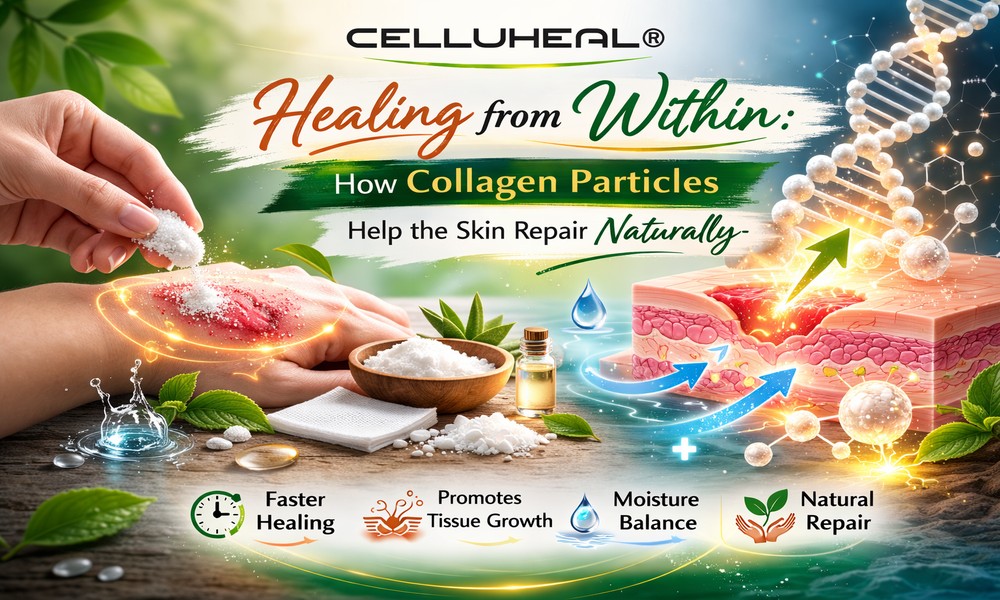
Wound healing is something most people do not think about until they need it. A small cut in the kitchen, a scraped knee, a minor burn, or even post-procedure skin care the body immediately begins repairing itself. While this process happens naturally, the right support can make a meaningful difference in how quickly and smoothly the skin recovers.
One of the most important components in this healing process is collagen.
Understanding the Role of Collagen in Skin Repair
Collagen is a structural protein found throughout the body, especially in the skin. It provides strength, flexibility, and support to tissue. When the skin is injured, collagen plays a central role in rebuilding the damaged area.
During wound healing, the body goes through several stages: inflammation, tissue formation, and remodeling. Collagen helps form the framework on which new skin cells grow. Without sufficient collagen support, healing can be delayed, and scarring may become more noticeable.
This is where collagen particles are gaining attention in modern wound care.
What Are Collagen Particles?
Collagen particles are finely processed collagen materials designed to be applied directly to a wound. Instead of simply covering the injury, they interact with the wound bed to support natural tissue repair.
They help by:
- Absorbing excess wound fluid
- Maintaining a balanced moisture environment
- Supporting new tissue growth
- Protecting the wound surface
Unlike traditional dry dressings, collagen-based products work with the body’s own healing process rather than just acting as a protective barrier.
Healing From Within, Not Just From the Surface
Many people assume that wound care is only about cleaning and covering the injury. While cleanliness and protection are important, true healing depends on what happens underneath the surface.
Collagen particles provide a structure that encourages the skin to regenerate in an organized way. By supporting cellular activity and helping maintain optimal moisture, they allow the body to repair itself more effectively.
This internal support often leads to:
- Faster closure of wounds
- Reduced risk of complications
- Improved skin texture after healing
- Better overall recovery experience
Why Moisture Balance Matters
One of the biggest mistakes in wound care is allowing a wound to become too dry. Dry wounds can slow cell movement and delay new tissue formation. On the other hand, too much moisture can create an environment where bacteria thrive.
Collagen particles help regulate this balance. They absorb excess fluid while keeping the wound moist enough for proper healing. This balance is critical for minimizing discomfort and promoting smoother recovery.
Where Collagen Particles Are Commonly Used
Collagen-based wound care is often used for:
- Minor cuts and abrasions
- Surgical wounds
- Burns
- Slow-healing skin injuries
- Diabetic or chronic wounds under medical supervision
Because collagen is a natural component of the body, it is generally well tolerated when used as directed.
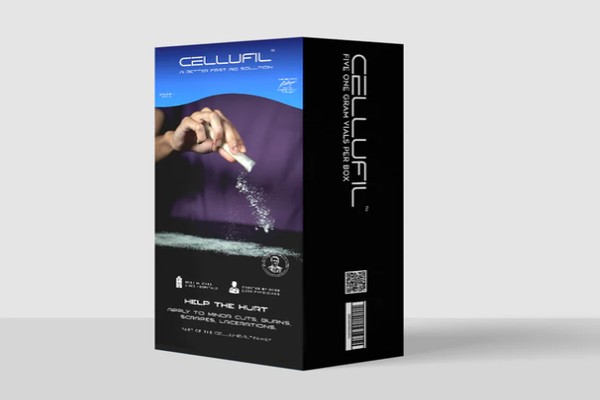
Products such as Cellufil® Collagen Particles are designed to support natural wound healing by providing structured collagen directly to the wound surface. When used under proper guidance, they can help improve the overall healing environment.
Supporting Skin Recovery Safely
While collagen particles offer valuable support, it is important to remember that proper wound cleaning and medical advice are essential. For deep, infected, or severe wounds, professional care is always necessary.
For everyday skin injuries, choosing the right wound care approach can make recovery smoother and more comfortable. Instead of focusing only on surface protection, supporting the body’s internal repair system can lead to better outcomes.
Final Thoughts
Healing is not just about closing a wound it is about restoring skin strength and function. Collagen plays a vital role in that process, and collagen particles offer a way to enhance the body’s natural repair system.
By working from within, these advanced wound care solutions help create an environment where skin can regenerate efficiently and safely.
With thoughtful care and the right support, recovery can be faster, smoother, and healthier.