
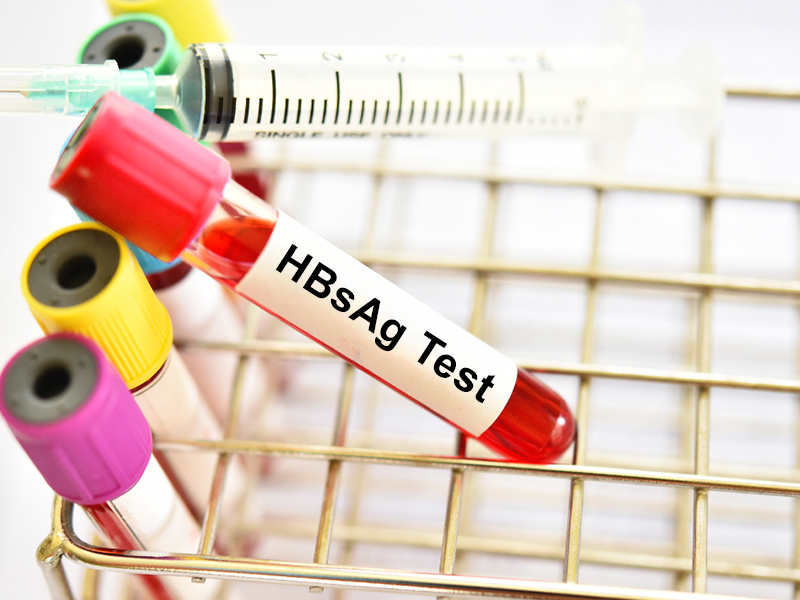
Hepatitis B virus (HBV) is the causative agent of hepatitis B. The hepatitis B surface antigen (HBsAg) is the first marker that appears in the blood following infection with hepatitis B virus (HBV) some days or weeks before clinical symptoms manifest. The detection of HBsAg in human serum or plasma indicates an ongoing HBV infection, either acute or chronic.
HBsAg test is suggested to check the presence of the hepatitis B surface antigen, a protein found on the surface of the hepatitis B virus. HBsAg is the first marker to appear in the blood in acute hepatitis B, being detected 1 week to 2 months after exposure and 2 weeks to 2 months before the onset of symptoms. The detection of this antigen may indicate an infection with hepatitis B. It also suggests that the person can potentially spread the virus to others. It’s a simple and important test for early diagnosis and prevention.
Symptoms of HBV infection
After the exposure, the symptoms of HBV infections appear somewhere between 1 and 4 months. Several symptoms, including abdominal pain, jaundice, dark urine, nausea, loss of appetite, fatigue, and joint pain, may appear. It has been found that many individuals, including children, may now show any symptoms throughout the course of the infection.
There is no specific antiviral therapy for the uncomplicated acute hepatitis B. The focus remains on controlling symptoms, adequate hydration and avoiding factors that may exacerbate hepatic injury. The management of chronic HBV includes antiviral medications, for instance, tenofovir and entecavir, which suppress viral replication. The entire treatment takes long-term follow-up and monitoring. Apart from taking medications, consistent liver monitoring needs to be done.
Procedure
For this test, a blood sample is required. A healthcare professional will clean the arm with an antiseptic and draw a blood sample after locating the right vein. The blood sample is then sent to a lab for analysis. It is a simple blood test for which no fasting is required.
In case the individual has received a hepatitis B vaccine in the past few weeks, the HBsAg test result may come out to be positive. A repetition will be required in a few weeks.
Why is this test important?
Early Detection: Often, there are no symptoms of Hepatitis B in the early stages. Testing at the right time can help catch the infection before complications arise.
Prevent Spread: An individual can prevent the spread of the transmission to others, especially through blood or bodily fluids.
Treatment monitoring: If you’re already diagnosed, regular testing helps track how well treatment is working.
Who should get an HBsAg test?
Individuals who should consider getting tested may include:
- Healthcare workers: The risk of infection can be prevented in case of prior knowledge.
- Pregnant women: It helps prevent any mother-to-child transmission.
- Household contacts: Those living with chronic Hepatitis B can take necessary precautions.
- Sexual partners: Anyone whose partner is infected with Hepatitis B
- People who inject drugs: Especially those sharing needles or syringes
- Dialysis patients: Higher risk due to frequent blood exposure
- People with HIV or Hepatitis C: Co-infections require special monitoring
- Blood and organ donors: Mandatory screening before donation
- Patients starting immunosuppressive therapy: Risk of virus reactivation
If you live in Delhi-NCR, do an online search with keywords HbsAg Test price to know the best diagnostic centres offering this test in your vicinity.
Disclaimer: For personalised advice and further information, always consult your doctor or qualified healthcare professional.