
Why your face changes after rapid weight loss and how to restore youthful balance
GLP-1 medications such as Ozempic and Wegovy have revolutionized weight loss, allowing patients to achieve results faster and more efficiently than ever before. While the health benefits are substantial, many individuals notice an unexpected side effect as they lose weight: changes in their facial appearance.
Patients often describe looking more worn out, hollow, or older despite feeling healthier and more confident overall. This shift is primarily due to facial volume loss, a natural consequence of rapid fat reduction. While it can be surprising, it is also highly treatable with today’s advanced aesthetic techniques.
In Newport Beach, board-certified plastic surgeon Dr. Siamak Agha, founder of The Aesthetics Centers, specializes in restoring facial volume and balance after significant weight loss. His approach focuses on natural, refined results that enhance, rather than alter, a patient’s appearance.
What Is Facial Volume Loss?
Facial volume loss refers to the reduction of fat and soft tissue that provides the face its youthful fullness. This volume is essential for smooth contours, soft transitions between facial features, and overall facial harmony.
When the face loses volume, certain areas begin to appear hollow or sunken. The cheeks flatten, the temples become more pronounced, and the under-eye area may develop deeper shadows. These changes can make the face appear more aged or fatigued.
During GLP-1 weight loss, fat is reduced throughout the body, including the face. Because facial fat plays such a visible role in appearance, even small changes can have a noticeable impact.
“Facial volume is what creates youthfulness. When it is lost quickly, the face can appear older even as the body becomes healthier.”
Why GLP-1 Weight Loss Affects the Face So Noticeably
Unlike other areas of the body, the face has relatively thin skin and relies heavily on underlying fat for its structure. When that fat diminishes rapidly, the skin may not have enough support to maintain its previous contour.
Additionally, facial fat is compartmentalized. Different areas of the face lose volume at different rates, which can lead to uneven changes. For example, the cheeks may deflate while the jawline becomes more prominent, altering the overall balance of the face.
The rate of weight loss also plays a role. Rapid changes allow the skin less time to adjust, making volume loss more apparent. This phenomenon is why patients using GLP-1 medications often notice facial changes sooner than expected.
Common Areas Affected by Facial Volume Loss
Facial volume loss tends to affect several key areas that contribute to overall appearance. The midface, particularly the cheeks, is one of the most noticeable regions. Loss of fullness here can create a hollow or sunken look.
The temples are another area where volume loss becomes evident. Hollow temples can give the face a more skeletal appearance and disrupt facial harmony.
Volume loss also commonly affects the under-eye area. As volume decreases, shadows and hollows can become more pronounced, contributing to a tired or aged look.
Around the mouth, volume loss can deepen lines and folds, such as nasolabial folds and marionette lines. These changes can further accentuate the appearance of aging.
Understanding these areas helps guide targeted treatment for restoring balance.
How Facial Volume Loss Differs From Aging
While facial volume loss is a natural part of aging, the changes associated with GLP-1 weight loss often occur more rapidly. This accelerated timeline can make the effects feel more dramatic.
In traditional aging, volume loss occurs gradually over many years, allowing the face to adapt slowly. With rapid weight loss, these changes happen in a much shorter period, making them more noticeable.
Additionally, patients who undergo weight loss may experience volume loss at a younger age than expected. This can create a contrast between how they feel internally and how they perceive their appearance.
The good news is that modern treatments can effectively address both weight loss-related changes and natural aging concerns.
Non-Surgical Solutions for Volume Restoration
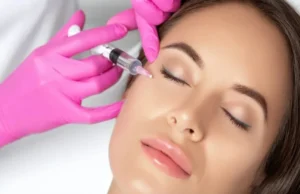
For patients seeking minimally invasive options, non-surgical treatments can provide effective and immediate improvements. Dermal fillers are commonly used to restore volume in areas such as the cheeks, temples, and under-eyes.
These treatments can enhance facial contours and create a more youthful appearance with little to no downtime. They are particularly beneficial for patients with mild to moderate volume loss.
Treatments that stimulate collagen production can also improve skin quality, supporting the skin and enhancing overall results.
However, it is important to note that fillers are temporary and require maintenance over time.
Surgical Options for Long-Lasting Results
For patients with more significant volume loss, surgical solutions may provide more comprehensive and long-lasting results. Fat grafting is one of the most effective techniques for restoring facial volume.
This procedure takes fat from the patient’s own body and puts it in areas of the face that have lost fullness. The result is natural-looking, long-lasting volume that integrates seamlessly with existing tissues.
A facelift or mid-face lift may be suggested in some cases to fix both volume loss and loose skin. These procedures reposition underlying tissues, creating a more youthful and balanced appearance.
Dr. Siamak Agha is known for his refined approach, ensuring that results are subtle and natural rather than overdone.
“The goal is to restore what has been lost, not to change who you are.”
The Importance of a Personalized Approach
Every patient experiences facial volume loss differently, which makes customization essential. Factors such as age, skin quality, degree of weight loss, and aesthetic goals all influence the ideal treatment plan.
Dr. Siamak Agha takes a comprehensive approach, evaluating the entire face to ensure that treatments are balanced and harmonious. This prevents overcorrection and ensures that results look natural from every angle.
Patients in Newport Beach benefit from a tailored experience that prioritizes both aesthetics and long-term outcomes.
Maintaining Results After Treatment
Maintaining results after facial volume restoration involves a combination of lifestyle and skincare practices. Patients are encouraged to maintain a stable weight, as fluctuations can affect facial volume.
Proper hydration, a balanced diet, and medical-grade skincare can support skin health and enhance longevity. For patients who choose non-surgical treatments, periodic maintenance sessions may be recommended.
With the right approach, patients can enjoy long-lasting improvements that align with their overall transformation.
FAQs
Why does my face look hollow after weight loss?
Rapid fat loss reduces the volume that supports facial contours, leading to a hollow or sunken appearance.
Can facial volume loss be reversed?
Yes, treatments such as fillers and fat grafting can restore volume and improve facial balance.
Is fat grafting better than fillers?
Fat grafting provides longer-lasting results, while fillers offer a non-surgical, temporary option.
When should I treat facial volume loss?
It is best to consider treatment once your weight has stabilized and facial changes are clearly visible.
Conclusion
Facial volume loss after GLP-1 weight loss is a common and natural part of the transformation process. Despite the unexpected nature of these changes, today’s advanced aesthetic solutions make them highly treatable.
In Newport Beach, board-certified plastic surgeon Dr. Siamak Agha at The Aesthetics Centers offers personalized treatments designed to restore volume, enhance natural contours, and deliver refined, long-lasting results.
Schedule a private consultation with Dr. Siamak Agha at The Aesthetics Centers in Newport Beach to explore how facial volume restoration can help you achieve a more balanced and youthful appearance after weight loss.