The Middle East healthcare sector has undergone substantial transformation over the past decade, particularly in oncology services. Abu Dhabi and Dubai now host facilities that rival established medical centers in Europe and North America, offering treatment options that were once accessible only through international travel. This shift affects not just cancer patients in the UAE, but also those throughout the Gulf region who previously faced limited local options for specialized care.
Understanding how these advancements compare to global standards helps patients make informed decisions about where to seek treatment. The rise of immunotherapy and precision medicine in regional hospitals represents a significant departure from traditional chemotherapy-focused protocols that dominated Middle Eastern oncology until recently.
The Evolution of Cancer Care in the UAE
Five years ago, most patients requiring advanced cancer treatment faced a choice: accept conventional therapy locally or travel abroad for newer options. The landscape has changed considerably. Multi-specialty hospitals in Abu Dhabi now provide access to immunotherapy protocols, targeted therapies, and clinical trials that mirror those available at major American and European cancer centers.
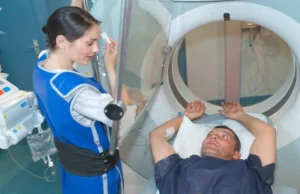
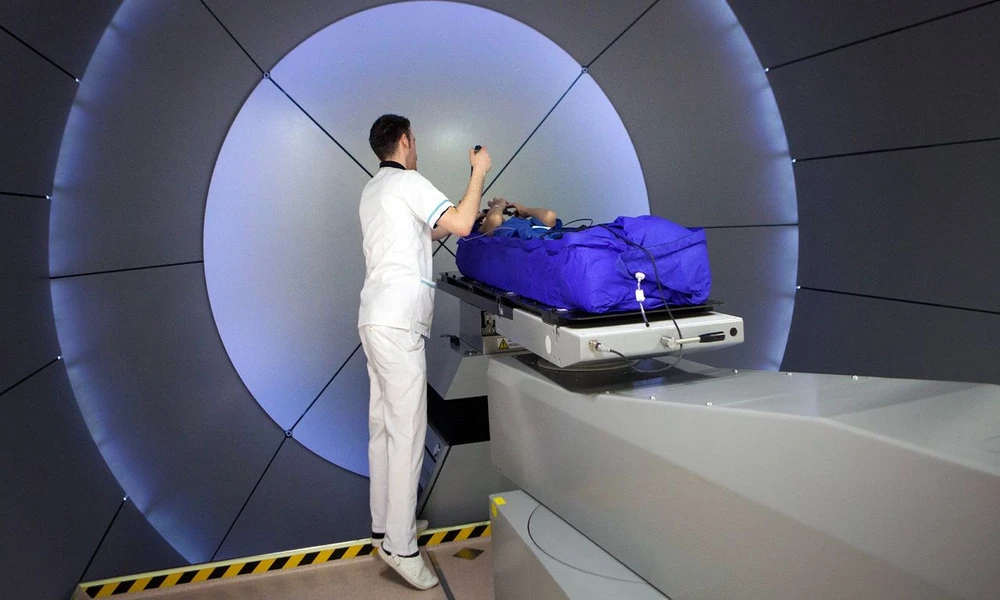
This transformation stems from substantial healthcare investment by the UAE government and partnerships with established international medical institutions. The result is infrastructure that supports complex diagnostic imaging, genetic testing for treatment personalization, and multidisciplinary tumor boards where specialists collaboratively plan patient care. These elements form the foundation of modern oncology practice and were largely absent from the region a decade ago.
What Sets International-Standard Cancer Facilities Apart
Quality indicators in oncology extend beyond equipment and medication availability. Leading cancer centers distinguish themselves through specific operational characteristics that directly impact patient outcomes. Multidisciplinary care coordination ensures that medical oncologists, surgical oncologists, radiation specialists, and support staff work as integrated teams rather than isolated departments. This approach reduces treatment delays and prevents the fragmented care that often occurs when specialists operate independently.
Accreditation matters significantly in healthcare quality assessment. Hospitals achieving recognition from bodies such as the Joint Commission International or meeting standards outlined by organizations tracking hospital safety and quality metrics demonstrate adherence to protocols that minimize medical errors and optimize treatment pathways. These certifications require regular audits and continuous quality improvement processes that affect everything from medication administration to infection control.
The Role of Molecular Diagnostics
Contemporary cancer treatment relies heavily on molecular profiling to identify specific genetic mutations driving tumor growth. Facilities equipped with comprehensive genomic testing can match patients to targeted therapies designed for their cancer’s particular molecular signature. This personalization significantly improves response rates compared to traditional chemotherapy approaches that treat all patients with the same diagnosis identically.
Access to these diagnostic capabilities locally eliminates the need to ship tissue samples internationally, reducing turnaround time from weeks to days. Faster results mean treatment can begin sooner, which often correlates with improved outcomes, particularly in aggressive cancer types.
Immunotherapy Access in Abu Dhabi
Immunotherapy represents one of the most significant advances in cancer treatment over the past fifteen years. Unlike chemotherapy, which directly attacks rapidly dividing cells, immunotherapy harnesses the patient’s own immune system to recognize and destroy cancer cells. This approach produces durable responses in some patients with cancers that were previously considered difficult to treat, including certain melanomas, lung cancers, and kidney cancers.
Several facilities in Abu Dhabi now offer immunotherapy options that match the range available at major international centers. Cleveland Clinic Abu Dhabi provides comprehensive cancer immunotherapy treatment in abu dhabi as part of its oncology program, incorporating checkpoint inhibitors, CAR T-cell therapy for eligible patients, and combination protocols that pair immunotherapy with other treatment modalities. This access matters particularly for patients whose cancer has progressed despite conventional treatment or those with tumor types that respond poorly to chemotherapy.
The availability of these treatments locally carries practical advantages beyond medical efficacy. Immunotherapy often requires regular infusions over extended periods, sometimes lasting months or years. Receiving treatment close to home reduces the logistical burden and expense of repeated international travel while allowing patients to maintain family support systems and continue working when possible.
Broader Implications for Regional Healthcare Quality
Cancer treatment serves as a useful barometer for overall healthcare sophistication because it demands coordination across multiple specialties and access to cutting-edge diagnostics and therapeutics. When a hospital demonstrates competency in complex oncology, it typically indicates broader institutional capabilities. The same quality systems, nursing expertise, and support services that enable effective cancer care translate to better outcomes in other complex medical conditions.
This principle extends to areas seemingly unrelated to oncology. For instance, the precision required in cancer surgery mirrors that needed in specialized dental procedures, where technical skill and attention to detail determine long-term success. Medical facilities worldwide that excel in one complex specialty often demonstrate competence across multiple domains, much like dental practices that prioritize clinical fundamentals over purely cosmetic outcomes tend to deliver superior overall care.
Patient Considerations When Evaluating Treatment Options
Patients diagnosed with cancer face numerous decisions, with treatment location being among the most consequential. Several factors warrant consideration beyond simply identifying which hospitals offer specific therapies. The experience level of the treating oncologist matters substantially, as does the volume of patients with your particular cancer type that the facility treats annually. Higher-volume centers generally achieve better outcomes because their teams encounter and solve problems more frequently.
Clinical trial access represents another important consideration. Trials offer patients access to promising treatments before they become widely available and contribute to advancing medical knowledge. Hospitals with active oncology research programs can enroll eligible patients in trials that might not be accessible elsewhere in the region. This consideration becomes particularly relevant for patients with rare cancers or those whose disease has progressed through standard treatment options.
The Support Services Dimension
Comprehensive cancer care extends beyond medical treatment to include psychological support, nutritional counseling, pain management, and rehabilitation services. These elements significantly affect quality of life during and after treatment. Facilities that integrate these services into routine cancer care demonstrate understanding that successful oncology addresses the whole person, not just the tumor.
Looking Forward
The Middle East healthcare sector continues evolving rapidly, with substantial ongoing investment in medical infrastructure and workforce development. For cancer patients, this means expanding treatment options, shorter wait times, and increasing opportunities to receive world-class care without leaving the region. The presence of multiple high-quality facilities also introduces beneficial competition that tends to drive continuous improvement.
As regional hospitals mature and build track records, outcomes data will increasingly guide patient decision-making. Facilities publishing survival statistics, complication rates, and patient satisfaction scores enable more informed choices. This transparency, common in Western healthcare systems, is gradually becoming standard practice in the UAE as well, benefiting patients who can now evaluate options using concrete evidence rather than reputation alone.
The transformation of cancer care in Abu Dhabi and the broader UAE reflects a larger shift in regional healthcare priorities and capabilities. Patients now have access to sophisticated treatments that were previously available only through medical tourism, delivered by multidisciplinary teams in accredited facilities that meet international standards. This progress represents tangible improvement in healthcare accessibility and quality for the millions of people living in and around the Emirates.