Key Points:
- Reliable suppliers support safer imaging rooms.
- Protection should fit real clinical workflows.
- Clear guidance reduces planning delays.
- Practical equipment choices improve staff comfort.
- Follow-up support builds long-term confidence.
- Supplier expertise supports better safety decisions.
- Good planning makes radiation protection easier.
- Reliable service helps protect long-term investment.
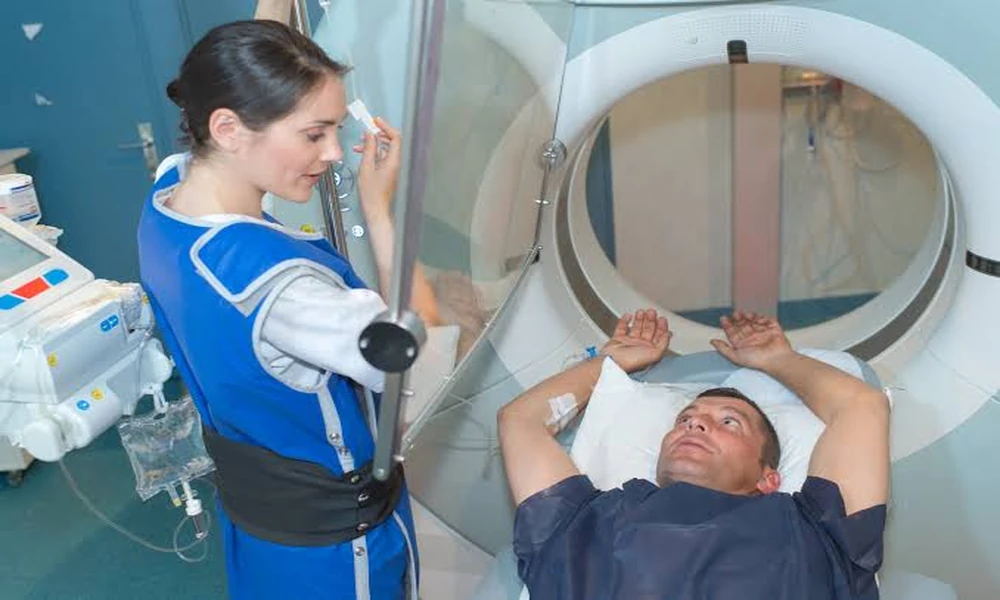
Modern imaging rooms are about more than just state-of-the-art technology. They also require careful safety planning, reliable sourcing, and equipment appropriate for daily clinical use. Doctors, nurses, radiographers and technicians can spend long periods of time working in an environment with radiation exposure that needs to be correctly controlled. Thus, protection must permit safety and normal movement in the room. A good supplier can make these decisions easier by providing clear guidance, workable options and consistent follow-up. With appropriate support, healthcare teams can concentrate more on the patient and less on needless concerns about safety.
Protection Equipment Must Fit Real Room Use
A good X-ray Protection Equipment Supplier understands that every imaging room works differently. Staff may need to move around the patient, reach monitors, adjust equipment, and communicate with others during procedures. If protective equipment blocks movement or limits access, it can become difficult to use properly. This is why protection should be chosen with real working conditions in mind, not only technical specifications or basic product features.
Room layout also matters when procedures take longer or involve several team members. Protection should help staff stay comfortable while allowing clear access to the patient. A reliable supplier takes time to understand these practical needs before suggesting a solution. That small step can prevent future frustration. It also helps healthcare teams feel more confident that their safety setup will work during a busy day, not only during initial planning.
Reliability Begins Before the Procedure
Supplier reliability often becomes clear long before the procedure starts. Clinical teams may need information about availability, documentation, delivery, or setup before they can complete their planning. If those answers are late, several departments can be affected. Procurement teams may wait for confirmation while clinical staff remain unsure about preparation. Clear and timely communication helps prevent these small delays from turning into larger problems.
Healthcare workers already manage full schedules, so they should not have to chase the same information several times. A dependable supplier responds clearly and follows through on agreed steps. This may sound simple, but it creates real value. When teams know where to find accurate answers, they can plan with less stress. Over time, that steady support helps build trust and makes the entire sourcing process feel more organised.
Medical Equipment Choices Need Practical Thinking
Selecting Medical Equipment and Supplies for imaging rooms requires more than checking whether something is available. Teams should also consider quality, comfort, documentation, ease of use, and how the equipment fits their normal workflow. A technically suitable solution may still cause problems if it makes movement awkward or creates extra steps for staff during procedures.
Clinical users should be involved early in the selection process. Procurement teams may focus on specifications and cost, while staffs inside the room understand daily movement and patient access. Both views matter. When these teams work together, they can make better decisions. This also reduces the chance of buying something that looks suitable on paper but feels inconvenient once it becomes part of regular clinical work.
Daily Safety Should Feel Natural
Radiation protection works best when it becomes part of normal clinical behaviour. Staff should not feel that every safety step slows them down or forces them into uncomfortable positions. Protection planning should consider where people stand, how often they move, and what parts of the room they need to reach during a procedure.
These needs may also change over time. New staff, different procedures, or changes in room layout can affect how protection is used. Regular review helps teams make sure their setup still works properly. A dependable supplier can support this process by providing guidance when working conditions change. This turns radiation protection into an ongoing safety practice rather than something that is chosen once and then forgotten.
Medical Equipment Support Builds Confidence
Medical Equipment and Supplies are more helpful after healthcare teams get support after selection. Staff may not know how to set up, use, care for or change the setup of the room. Clear information helps teams feel more comfortable with the choices they have made and use protection correctly.
Follow-up support also helps prevent small questions from becoming larger issues. When staff know they can contact someone for guidance, they are more likely to ask before making assumptions. This improves confidence and makes daily safety easier to manage. For hospitals and clinics, that level of support can be just as important as the equipment itself, especially when protection is used during demanding clinical routines.
Supplier Expertise Supports Better Decisions
Price is always part of purchasing, but safety equipment should not be judged on price alone. Hospitals also need to consider usability, durability, service quality, and whether the supplier understands imaging room demands. A knowledgeable partner can help teams ask better questions before choosing a solution instead of focusing only on what is easiest to order.
Healthcare organisations should consider several practical points when comparing suppliers:
- Clear product and safety information
- Responsive communication when questions arise
- Understanding of real imaging workflows
- Dependable availability and delivery support
- Continued guidance after the first purchase
These points help teams compare suppliers more fairly. They also show whether a company can provide long-term support rather than only complete a single sale.
Long-Term Support Protects the Investment
Protective equipment may be chosen carefully, but its value still depends on what happens after installation. Teams may later need replacement guidance, updated information, or advice as clinical routines change. A reliable supplier stays available for these needs. This gives healthcare organisations more confidence that their original investment will continue to support staff safety.
Busy departments can benefit particularly from ongoing support, as even a small issue can impact many procedures. A single point of contact makes it easier for teams to solve issues and spend less time looking for answers. It also promotes better safety habits as the staff know that guidance is still available. Reliable service over time can assist an imaging department to take a more consistent and practical approach to radiation protection.
Conclusion
You can only depend on real radiation protection if you plan carefully, select practical products and get support that lasts beyond the first purchase. Healthcare teams need solutions that shield staff without making daily tasks more difficult. Open communication, awareness of the room and follow-up service all make for safer clinical environments. When all of these pieces fall into place, staff can focus on patients while feeling more confident in the protection surrounding them.
Nexamedic supports Swiss healthcare providers with specialist MedTech solutions and a dedicated focus on X-ray protection. Their approach combines carefully selected technologies, manufacturer relationships, and practical service for hospitals and clinics. For teams looking for dependable safety support, clear communication, and informed sourcing, Nexamedic offers a steady partner for building protection strategies that fit real clinical settings.
Frequently Asked Questions
Question: Why is supplier reliability important for imaging departments?
Answer: Trusted suppliers prevent delays, unclear information, and last-minute uncertainty in departments. Before procedures, clinical teams often need product details, documentation and availability updates. A quick and clear response from a supplier allows staff to be better prepared and spend less time dealing with sourcing problems during busy clinical schedules.
Question: What should hospitals consider when choosing protection equipment?
Answer: When designing a room in a hospital, the layout of the room, the movement of the staff, the type of procedure, comfort, and access to the patient, documentation and long-term support should be considered. The right choice should match normal clinical work, not only technical requirements. And the people who use the room on a daily basis should have a say in that decision, too.
Question: How can better planning improve staff comfort?
Answer: Good planning considers how staff stands, move and reach patients during procedures. When protective equipment allows for those movements, teams are less likely to work in awkward positions. This helps staff stay focused during longer or more demanding clinical sessions, and makes safety easier to maintain.
Question: Why does follow-up support matter after purchase?
Answer: Clinical needs may alter after equipment is introduced. Staff may require clarification, new guidance, or assistance with modifications to the setup as workflows develop. Follow-up support provides teams with a reliable resource for asking questions and helps them maintain safe and practical use over the long haul.
Question: How should healthcare teams compare suppliers?
Answer: Teams should look past price. They should review communication, product knowledge, clinical knowledge, availability, documentation and after-sales support. A good supplier will be able to explain options well and understand how protection works in real imaging environments. Reliable long-term partners are often those who provide consistent service.