

Home care for older adults
Home care for seniors can help older adults continue living independently for as long as possible. It can also help families get a better understanding of an aging loved one’s needs.
What Can Home Care Cover?
It’s important to understand what in-home care can and can’t do. Nonmedical caregivers can provide seniors with a wide range of services. Depending on an individual’s needs, these services might include:
- Meal prep and cleanup
- Transportation or accompaniment to medical and other appointments
- Bathing, grooming, and help getting dressed
- Reminders about daily activities and medications
- Light housekeeping and laundry
- Socialization and companionship (e.g., board games, walks, conversation)
Home care services don’t replace the services of medical professionals. That said, families might find it helpful to supplement home care with other services. For example, if a senior has medical needs like injections, clinical monitoring, or wound care, they’ll need the support of licensed medical professionals. Families might also consider supplementing home care with medication management if an older adult’s regimen is complicated; www.cochranelibrary.com/cdsr/doi/10.1002/14651858.CD008165.pub4/full reviews the evidence on related interventions.
It’s important to strike a balance between providing older adults with the support they need and allowing them to continue participating in and making decisions about their own lives. Home care services should be tailored to meet each senior’s needs, not do everything for them.
Where Should You Begin?
Consider a senior’s typical day from start to finish. Think about when they get up, what they eat, how they get around their home, and if they’re able to keep up with personal care and housekeeping. You may notice minor changes in an older adult’s habits that could pose a safety risk or lead to frustration, such as changes in their social activity, mood, sleep, or appetite.
Depending on what you notice, you may decide to seek a few hours of care per day or more consistent support from At Home Elderly Caregivers in Ivins, Utah.
Keep in mind that it can take time to find the right home care schedule. You might want to try out a home care schedule for two weeks at a time to see if it’s a good fit for the senior and caregivers.
What Needs Checking Before Care Starts?
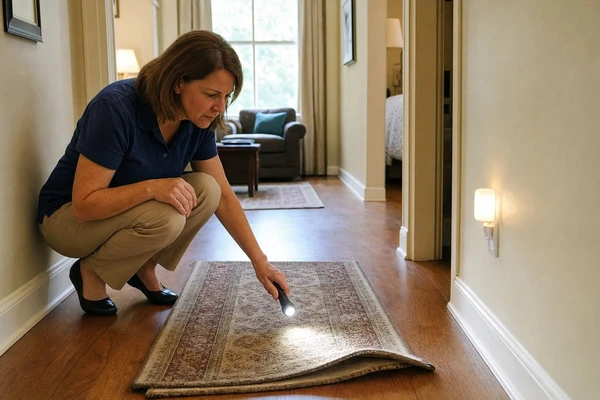
Senior home safety and caregiving
Think about the senior’s home environment and how you can make it as safe as possible. For example, you might want to look for safety risks such as poor lighting, cluttered walkways, or throw rugs.
If the senior uses a walker, check to make sure there’s enough room for him or her to safely get by without needing to turn sideways. You may be able to eliminate some safety risks by rearranging some furniture, getting rid of extra baskets and tables, or picking up throw rugs. Other modifications that could help a senior stay safe at home include:
- Adding a shower chair
- Hiring a professional to install grab bars
- Making sure there’s enough lighting
- Keeping items the senior needs most in easily accessible locations
Finding a caregiver for a senior can be a very personal process. You want to find someone you trust and that’s compatible with your loved one. The ideal home care provider will be reliable, patient, communicative, respectful of the senior’s preferences, and, of course, highly skilled.
Before home care begins, sit down with the caregiver and discuss:
- The specific types of assistance the senior needs
- Which activities the senior should continue doing independently or privately
- Any dietary restrictions, cultural practices, or household rules the caregiver should be aware of
- Emergency contacts
- How the caregiver should communicate any changes in the senior’s condition or mobility
You may also want to ask how the home care agency supervises its caregivers, how they handle no-shows, and how often they reevaluate and revise care plans.
By discussing these topics up front, you can avoid misunderstandings and ensure everyone’s on the same page.
When Should the Care Plan Change?
The level of care a senior needs at home can change gradually or suddenly, such as after a hospitalization, illness, or fall. Home care that is working well one month may not be enough the next. It’s important to regularly evaluate how well your loved one is doing and discuss with him or her if it’s time to make changes to his or her home care schedule or seek additional professional help.
Signs it may be time to change a senior’s home care schedule include:
These changes don’t necessarily indicate a serious problem, but they’re worth paying attention to and discussing with your loved one.
Before you schedule an initial visit with a home care provider, jot down some notes about your loved one’s daily schedule, the kinds of challenges he or she’s been dealing with, doctor’s orders, and emergency contacts. This way, you can create a home care schedule based on what your loved one actually needs instead of jumping to conclusions about what he or she can’t do anymore.