Inpatient rehabilitation plays an important role in helping individuals recover after serious injuries, surgeries, illnesses, or neurological conditions. In Jacksonville, inpatient rehabilitation programs provide structured medical care, therapy, and support for patients who need intensive treatment before returning home.
These rehabilitation programs are designed for individuals who require around-the-clock medical supervision and daily therapy services. Patients recovering from strokes, traumatic injuries, orthopedic surgeries, spinal cord injuries, or neurological conditions often benefit from inpatient rehabilitation because it provides focused care in a supportive environment.
What Is Inpatient Rehabilitation?
A specialized type of healthcare program in which the patient lives in a hospital or rehabilitative center to receive intensive medical and therapy care is called inpatient rehabilitation. Inpatient rehab offers 24-hour round-the-clock treatment and care from medical personnel who are assisting with the recovery.
Patients will usually be in therapy for several hours a day based on their condition and treatment goals. Physical therapy, occupational therapy, speech therapy, nursing and physician supervision are commonly prescribed in a rehabilitation plan.
Inpatient rehab’s main objective is to improve strength, mobility, communication and independence, so that people can return home safely. Go to this site for reference.
Conditions Commonly Treated
The inpatient rehab centers in Jacksonville can cater to the treatment of various medical conditions and injuries.
One of the most frequent causes for patients to go into inpatient rehab is stroke recovery. A stroke can impact movement, speech, balance, memory and daily activities. Intensive rehab enables patients to restore lost abilities and achieve independence.
Patients who have undergone an orthopedic procedure like a hip replacement, knee replacement or a serious fracture may also need to receive inpatient care to regain strength and mobility safely.
Specialized rehabilitation programs that address complex physical and cognitive impairments are often beneficial in patients who have suffered from spinal cord injuries, traumatic brain injuries or neurological disorders and/or severe illnesses.
Some rehab centers also offer services to a person who is recovering from a serious infection, amputation or long hospitalization, resulting in severe weakness or lack of mobility.
The Role of Physical Therapy
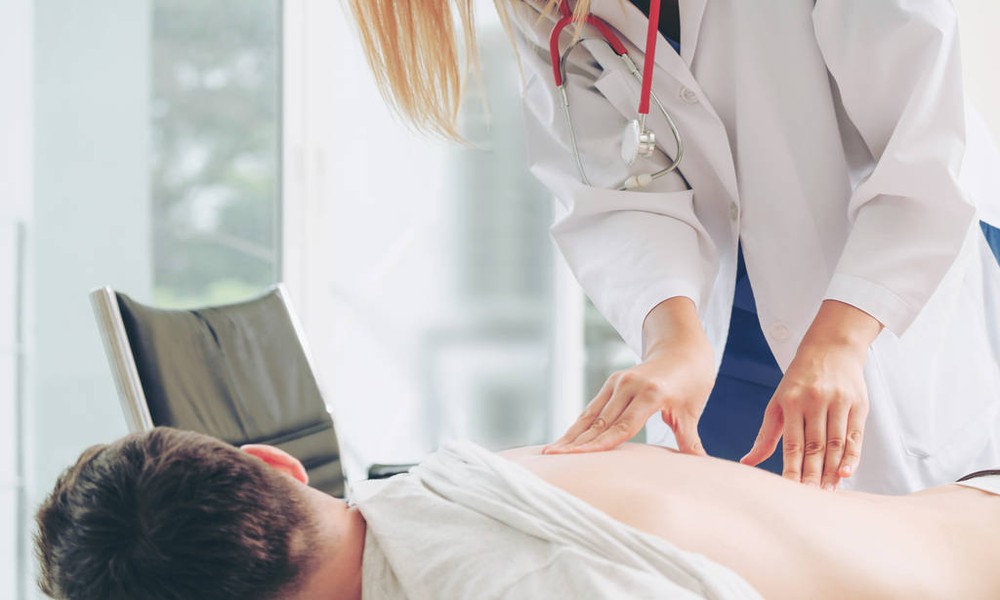
Physical therapy is an integral component of inpatient rehab. Therapists collaborate with patients to increase strength, flexibility, balance, coordination and mobility.
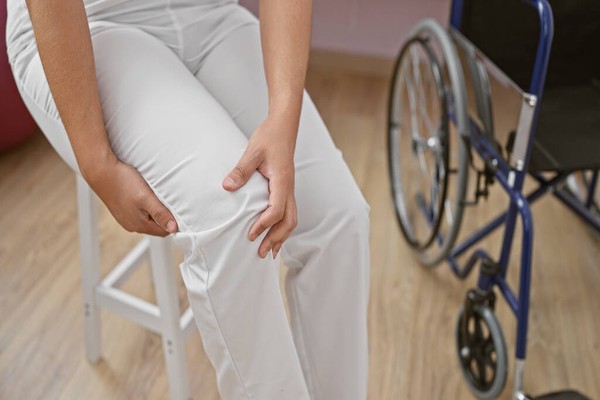
Treatment may involve mobility training with assistive devices (walkers or wheelchairs), walking exercises, strength and conditioning exercises, stretching, balance training and mobility practice.
Physical therapy can be beneficial in minimizing post-surgical pain and regaining confidence for many patients. Post-discharge, therapeutic training is also provided in safe movement to help minimize falls and injury risks. You can click here to read more about the role of physical therapy in rehab.
Occupational and Speech Therapy
Occupational therapy is used to help patients resume their daily activities, like getting dressed, washing, cooking, personal hygiene, etc. Adaptive equipment or strategies to promote independence at home may be suggested.
Speech therapy may be provided for people who have swallowing or communication problems following a stroke, brain injury or neurological disorders. Speech-language pathologists assist patients to enhance speech intelligibility, memory, language, and safe swallowing skills.
These treatments can help physically recover and improve a person’s overall quality of life.
Benefits of Inpatient Rehabilitation
The one thing that is the most advantageous about inpatient rehabilitation is the structure applied. A multi-disciplinary team coordinates patients’ care, with everyone involved in monitoring the patient’s progress and making adjustments to treatment as necessary.
Many patients are able to recover quicker than they would be able to without intensive treatment outside of the hospital.
Emotional support and encouragement are also available in inpatient rehab. It can be a long journey after a serious medical condition and having the help of trained professionals can help make the journey easier and keep your patient motivated and focused on the next steps.
The other crucial component of an inpatient rehab is family education. Family members are frequently trained to assist in recovery and ensure their loved ones’ safe return home.
Choosing an Inpatient Rehabilitation Program
Medical skills, therapy programs, experience with staff members and specific treatment plans are all factors to consider when choosing an inpatient drug and alcohol rehabilitation facility.
Some centers have specialties, such as neurological rehabilitation, orthopedic rehabilitation, cardiac rehabilitation, or a combination of all three.
Other factors patients and families will want to take into account when selecting a inpatient rehabilitation Jacksonville FL are the intensity of the therapy and the equipment available at the facility, as well as insurance coverage and discharge planning services.
Conclusion
Inpatient rehabilitation in Jacksonville provides essential support for individuals recovering from serious injuries, surgeries, and medical conditions. Through intensive therapy, medical supervision, and personalized treatment plans, inpatient rehabilitation helps patients rebuild strength, improve independence, and regain confidence.
By combining physical, occupational, and speech therapy with compassionate medical care, inpatient rehabilitation programs play a critical role in helping patients achieve safer and more successful recoveries.