Digital dentistry continues to reshape how dental professionals design and deliver patient care. One of the most impactful innovations in this space is hard resin for dental splints, which allows clinics and labs to produce precise, durable appliances using advanced 3D printing technologies. This material plays a key role in improving speed, accuracy, and overall workflow efficiency in modern dental practices.
It also reduces dependency on traditional manual techniques, allowing dental teams to operate with greater precision and confidence. As a result, clinics can handle higher case volumes without compromising quality. This advancement ultimately supports better patient experiences through quicker delivery and improved appliance performance.
In many US labs, dental splint printing resin is now central to daily production workflows.
The Shift Toward Digital Production in Dentistry
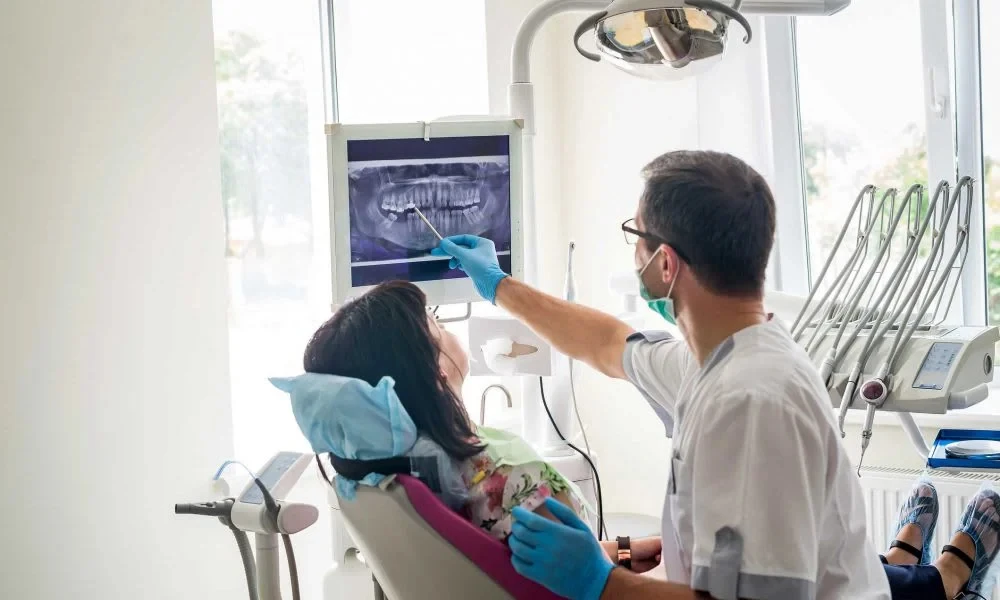
Traditional splint fabrication often involved multiple manual steps, including impressions, casting, and adjustments. These methods were time-consuming and prone to inconsistencies. With digital workflows, dental professionals can now scan, design, and print splints with minimal human error.
The introduction of digital fabrication tools has also improved communication between dentists and lab technicians, allowing faster revisions and approvals. Patients benefit from fewer visits and more predictable treatment outcomes, making digital adoption increasingly standard across US practices.
Improved Accuracy and Consistency
Precision is critical when creating dental splints, as even small errors can affect patient comfort and treatment outcomes. Advanced resins designed for splint production help ensure consistent results.
Key benefits include:
- High-dimensional stability during and after printing
- Smooth surface finish that reduces post-processing
- Reliable fit due to accurate digital design integration
These features allow clinicians to deliver appliances that require fewer adjustments, saving both time and resources. In addition, predictable material behavior helps reduce remake rates in busy dental labs.
Faster Turnaround Times for Labs
Speed is a major advantage of digital workflows. With the right materials and equipment, dental labs can produce splints much faster than traditional methods.
Here is how efficiency improves:
- Digital impressions eliminate shipping delays
- Automated printing reduces manual labor
- Batch production allows multiple splints to be created simultaneously
Materials such as key splint hard resin are specifically engineered to support rapid production without compromising durability. This enables labs to meet increasing demand while maintaining high productivity. Many labs also report improved scheduling flexibility due to shorter production cycles.
Enhanced Durability and Patient Comfort
A dental splint must be strong enough to withstand daily wear while remaining comfortable for the patient. Modern 3D printing materials are designed to meet both requirements.
Advantages include:
- High fracture resistance for long-term use
- Biocompatibility for safe intraoral applications
- Lightweight structure for improved patient comfort
In particular, key splint hard 3d printing resin provides an ideal balance between strength and flexibility, making it suitable for night guards and other protective appliances. It also maintains clarity and surface integrity over extended use, which enhances patient satisfaction.
Reliable Supply and Material Standardization
Consistency in material quality is essential for maintaining reliable workflows. Dental labs often depend on trusted partners to ensure uninterrupted production.
Working with a dependable dental key splint hard resin supplier offers several advantages:
- Access to certified and tested materials
- Consistent product performance across batches
- Technical support and guidance for optimal use
Standardization of materials helps labs maintain predictable outcomes and reduces the risk of production errors. It also simplifies inventory management, especially for high-volume dental facilities operating across multiple locations.
Seamless Integration with CAD and 3D Printing Systems
Digital dentistry relies heavily on integration between software and hardware. Modern resins are designed to work smoothly with CAD systems and 3D printers, ensuring a seamless workflow.
This integration enables:
- Easy design modifications and customization
- Accurate reproduction of digital models
- Reduced need for manual corrections
As a result, dental professionals can focus more on patient care and less on production challenges. It also improves collaboration between design teams and clinical staff.
A Smarter Approach to Splint Fabrication
The adoption of advanced materials has significantly improved how dental splints are designed and manufactured. By incorporating solutions like Keysplint hard, dental professionals can achieve faster production, better accuracy, and enhanced patient satisfaction. As digital dentistry continues to evolve, these materials will remain essential in building efficient, reliable, and future-ready workflows.
Ongoing innovation in resin chemistry is also helping improve material strength and adaptability for complex clinical needs. This continued progress is expected to further streamline dental lab operations and support more personalized patient care outcomes.