You might be feeling something many adults feel and rarely say out loud. Maybe you notice your teeth in photos before you notice your smile. Maybe you have started looking for a Chicago orthodontist because you had braces years ago and things shifted back, or maybe treatment never fit into your life when you were younger. Now you want to do something about it, but you also wonder if you waited too long, if it will be awkward, or if it is worth the cost and effort. Those questions are common, and they make sense.
The short answer is simple. Adult orthodontics is more popular than ever because more people want comfort, confidence, and better oral health at the same time. Treatment options are often more discreet than they used to be, adults are keeping their natural teeth longer, and many now see straightening teeth as part of overall health rather than a cosmetic extra. If you have been thinking about seeing an orthodontist, you are far from alone.
Why are more adults choosing orthodontic treatment now?
For many people, the change starts with one small moment. A work presentation. A wedding photo. A cracked retainer from years ago. A dentist mentioning crowding that makes brushing harder. What seems like a minor concern can grow into daily frustration, especially when you realize your teeth affect more than appearance.
That is part of why braces for adults and clear aligner treatment have become more common. Adults today often have more choices, more information, and more control over how treatment fits into work and family life. Some want to close gaps or fix crowding. Others want to improve their bite because chewing feels uneven or because jaw tension is becoming hard to ignore.
There is also a health reason behind the trend. Crowded or misaligned teeth can make cleaning harder, which may raise the risk of plaque buildup and gum problems over time. The CDC’s oral health surveillance report shows just how common oral health concerns are across adults in the United States. When people understand that alignment can affect hygiene, treatment starts to feel less like vanity and more like prevention.
What makes adult orthodontics feel different from treatment as a teen?
As an adult, you are not just thinking about straight teeth. You are thinking about meetings, budgets, childcare, travel, and whether you can keep up with appointments. Because of this tension, you might wonder if treatment will disrupt your life more than it helps.
That concern is real. Adults often weigh treatment against careers and responsibilities in a way teens do not. You may worry about how braces will look in a client meeting, or whether aligners will be a hassle at business dinners. You may also have older dental work, gum concerns, or tooth wear that needs attention before moving teeth safely.
Still, this is exactly why modern care has become more appealing. Many adults can choose from ceramic braces, clear aligners, or other approaches based on their goals and dental needs. An orthodontist can also work alongside your general dentist if you need fillings, gum care, or a cleaning plan first. That kind of coordination matters, especially since daily care is the foundation of long term results. The National Institute of Dental and Craniofacial Research offers helpful guidance on oral hygiene that supports healthy treatment from start to finish.
Is adult orthodontic care really worth the time and cost?
This is often the hardest question, because it is not only about money. It is also about whether you believe you deserve the investment. Many adults put themselves last for years. Then when they finally consider treatment, they feel guilty for even wanting it.
But think about the tradeoff. If crowded teeth are hard to clean, if your bite feels off, or if you avoid smiling, doing nothing has a cost too. That cost may show up as stress, more dental work later, or a quiet loss of confidence that follows you into everyday moments.
So, where does that leave you? Usually with a decision that is less about perfection and more about function, comfort, and self trust. orthodontic treatment for adults is often popular because it solves several problems at once. It can improve appearance, support hygiene, and help people feel more at ease in their own skin.
How do common adult orthodontic options compare?
Not every treatment fits every person, and that is a good thing. The right choice depends on your bite, your habits, and what matters most to you.
| Option | Best For | What Adults Often Like | What to Consider |
|---|---|---|---|
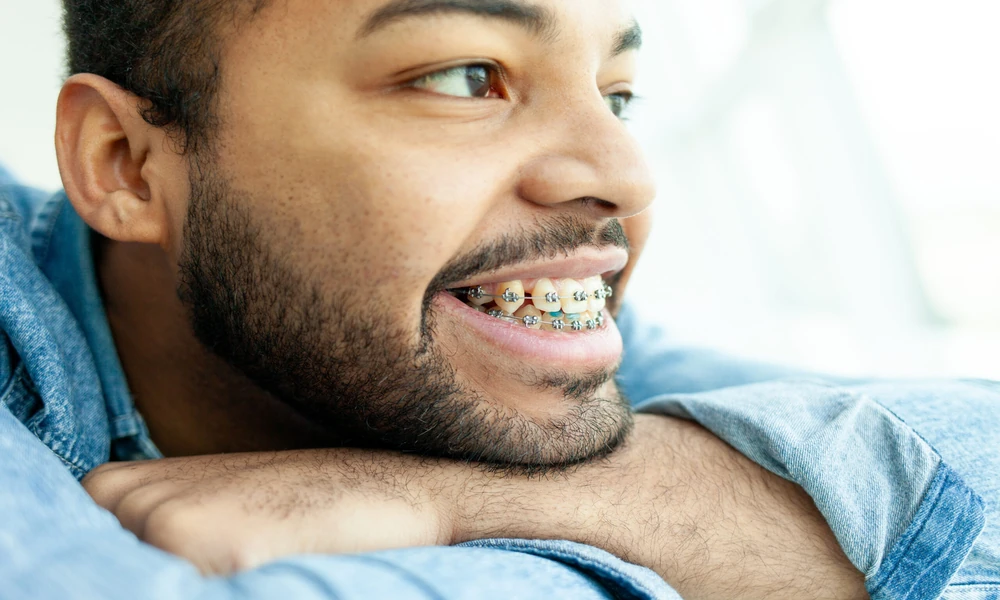
| Metal braces | Complex tooth movement and bite correction | Reliable, fixed in place, no need to remember to wear them | More visible, may need extra care around brackets |
| Ceramic braces | Adults who want fixed treatment with less visibility | Blend in more with teeth | Can cost more, still visible up close |
| Clear aligners | Mild to moderate cases and adults who want flexibility | Removable for meals and brushing, often less noticeable | Must be worn as directed, not ideal for every case |
| Retreatment after relapse | Adults whose teeth shifted after past braces | Often addresses a familiar issue with a focused plan | May still take time depending on movement needed |
No matter which option you choose, your habits matter. The CDC shares practical oral health tips for adults that can help protect your teeth and gums during treatment and after it ends.
What can you do right now if you are thinking about an orthodontist?
1. Get clear on your real goal.
Do you want a straighter smile for confidence, easier cleaning, a better bite, or all three? When you know what is driving your decision, it becomes easier to ask good questions and choose the right treatment.
2. Ask for a full evaluation, not just a quick price.
A proper consultation should look at tooth alignment, bite, gum health, old dental work, and long term maintenance. A low quote means little if it does not address the real issue.
3. Think beyond treatment and plan for retention.
Many adults seek care because teeth shifted after earlier treatment. Ask what happens after braces or aligners come off, what kind of retainer you may need, and how to protect your result for years to come.
Why does this trend matter for you now?
The rise in adult orthodontics tells you something reassuring. You are not behind. You are not being vain. You are responding to a concern that many adults share, and you have more options now than people had in the past. Whether your goal is health, comfort, or confidence, the first step is simply getting honest information and a plan that fits your life.
If you have been putting this off, now may be the right time to talk with an orthodontist and find out what is possible. A healthier, more comfortable smile often starts with one conversation.