Modern life presents many pressures that can manifest physically. For many people, this shows in their dermatological health. The field of psychodermatology specialises in understanding this complex link.
Dr Daron Seukeran, Group Medical Director at sk:n, notes that hormones like adrenalin and cortisol, released during times of pressure, can trigger inflammation. This process often leads to visible symptoms.
Expert organisations like The Psychodermatologist provide crucial insights into the psychological roots of these conditions. For persistent issues, clinics such as Surgical Arena Ltd offer advanced, comprehensive treatment plans.
Seeking professional advice is a vital step. A formal dermatology consultation can identify the best path forward, especially when standard skincare routines fall short.
This guide serves as a primary resource. It explores the essential connection between mental well-being and physical health, offering clear advice for those seeking effective management strategies.
Key Takeaways
- Chronic pressure can have a direct, negative impact on a person’s dermatological health.
- Hormones such as cortisol are known to trigger inflammatory responses in the body.
- Experts like The Psychodermatologist analyse the psychological factors behind physical symptoms.
- Providers such as Surgical Arena Ltd focus on tailored treatments for complex skin conditions.
- A professional consultation is often the first and most important step towards effective management.
- Understanding the mind-skin connection is fundamental for improving overall well-being.
- This resource aims to guide individuals towards reliable information and solutions.
Understanding the Impact of Stress on Skin Health
Scientific research continues to reveal how our internal psychological landscape directly shapes our external appearance. The connection is biochemical, with hormones acting as messengers between mind and body.
The Science Behind Stress and Skin
When facing pressure, the body releases cortisol. Research from the British Association of Dermatologists explains this hormone can increase testosterone production.
This process often blocks sebaceous glands, leading to acne. Chronic strain also hampers the body’s repair mechanisms.
It weakens the protective barrier, causing visible texture changes. Furthermore, collagen synthesis slows, potentially accelerating ageing.
Common Stress-Related Skin Conditions
Many dermatological issues flare under emotional strain. A Patient survey found 90% of healthcare professionals observe this exacerbation.
Rosacea is particularly sensitive. The National Rosacea Society reports 91% of patients experience worse symptoms during difficult periods.
Similarly, eczema and psoriasis are frequently triggered by inflammatory effects. Poor sleep, a common stress cause, further impedes nightly regeneration vital for long-term health.
Identifying Symptoms and Triggers of Skin Stress
Specific dermatological changes can serve as reliable indicators of heightened emotional tension. Recognising these signals and their lifestyle causes forms the foundation of effective personal care.
Recognising Flare-Ups and Reactions
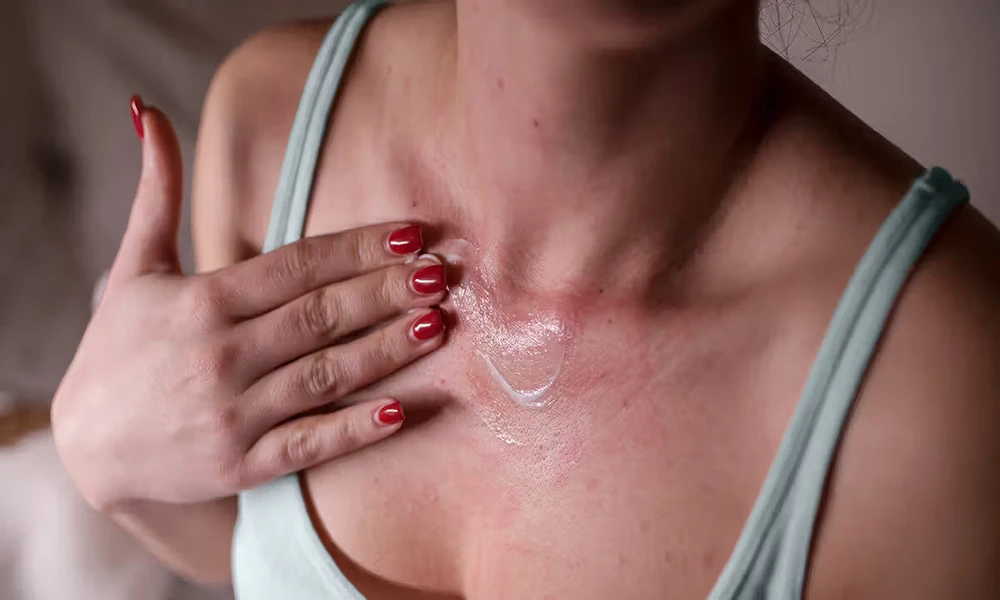
Visible reactions often appear during periods of pressure. A red, raised, and itchy rash, known medically as urticaria or hives, is common.
Blood vessels may dilate, causing noticeable flushing or painful patches. The NHS confirms that hair loss conditions like telogen effluvium can also be triggered.
Compulsive picking, or dermatillomania, frequently worsens these problems. This behaviour risks permanent scarring and spreading inflammation.
| Symptom | Common Appearance | Typical Triggers |
|---|---|---|
| Hives (Urticaria) | Red, raised, itchy welts | Acute anxiety, pressure |
| Flushing | Red patches on face/neck | Emotional strain, heat |
| Hair Loss | General thinning or patches | Chronic tension, illness |
| Compulsive Picking | Scabs, scars, open sores | Nervous habits, focus |
Lifestyle Factors Influencing Skin Stress
Daily habits significantly impact vulnerability. Poor nutrition and sleep deprivation disrupt immune function.
This makes the body’s surface more susceptible to external irritation. One expert notes the direct dietary link.
“Dietary choices influence systemic inflammation. Omega-3 fatty acids and antioxidants support barrier function, while high-sugar diets can exacerbate inflammatory conditions.”
Increased sebum production during difficult periods often clogs pores. This is a primary cause of acne flare-ups.
Proactive management of these lifestyle factors helps prevent further damage from scratching or picking.
Guide to Skin Stress Response Treatment UK
Numerous effective strategies exist to soothe and repair the body’s largest organ. When under prolonged strain, the skin’s health can suffer. A structured plan combines clinical techniques with supportive daily habits for lasting relief.
Exploring Treatment Techniques
Clinical approaches target specific issues. A hydrafacial routine offers deep cleansing, decongesting blocked pores and reducing visible irritation caused by cortisol.
Light therapy uses precise wavelengths. It can target acne-causing bacteria and improve the appearance of fine lines.
For daily care, switching to a gentle, fragrance-free skincare regimen is crucial. This protects the natural barrier of the face.
Steps to Effective Treatment
A successful management plan follows key stages:
- Begin with a professional dermatology consultation to accurately diagnose conditions like psoriasis or eczema.
- Prioritise quality sleep, as the NHS advises, to allow cellular repair and growth hormone production.
- Adopt a nutrient-rich diet to support the immune system and manage inflammation.
- If a rash or hives persist, consult a doctor for a tailored plan addressing the underlying immune response.
Natural Remedies and Lifestyle Adjustments for Skin Health
Beyond clinical procedures, simple lifestyle choices can fortify the body’s defences against external challenges. A holistic approach combines targeted nutrition with calming daily practices.
This foundation supports long-term management and resilience.
Nutrition and Skin-Supporting Diets
What you eat directly influences your complexion. Foods rich in specific vitamins bolster cell health.
For example, carrots provide vitamin A and biotin. These nutrients are essential for maintaining healthy cells.
An anti-inflammatory diet can help manage conditions like eczema. Reducing sugar intake is often advised to minimise flare-ups.
Mindfulness, Exercise and Relaxation Techniques
Physical activity and mental calm are powerful tools. Regular exercise helps counter the effects of cortisol by boosting beta-endorphins.
After a workout, cleansing the face removes dirt from pores. This simple step prevents post-exercise irritation.
Mindfulness meditation manages emotional reactions. This can prevent the worsening of psoriasis or eczema.
Activities like knitting elicit a relaxation response. They lower heart rate and blood pressure, reducing associated inflammation.
Talking with friends also provides emotional support. It may lessen the severity of symptoms like a rash.
| Adjustment Type | Practical Example | Primary Benefit |
|---|---|---|
| Dietary | Adding carrots for Vitamin A | Supports healthy cell maintenance |
| Physical Activity | 30-minute daily walk | Boosts endorphins, counters cortisol |
| Relaxation Technique | Mindfulness or knitting | Lowers blood pressure, reduces inflammation |
| Skincare Habit | Post-exercise cleansing | Prevents clogged pores and irritation |
Dermatological Treatments and Professional Consultation
Navigating the path from personal management to professional intervention requires clear understanding of when and how to seek expert help. Knowing the right time to consult a specialist can significantly improve outcomes for persistent dermatological concerns.
When to Seek Medical Advice
If a condition like rosacea or psoriasis fails to improve with lifestyle adjustments, it is time to see a GP. Persistent rash or hives also warrant professional advice.
Living with a visible issue can affect emotional well-being. The charity Changing Faces offers vital support, helping individuals manage the social impact of their condition.
Tailored Medical Treatments
A doctor may prescribe topical anti-inflammatory creams. These can repair the barrier and reduce redness from a stress-induced rash.
For acne, Online Doctor services provide a convenient route to safe, routine treatment. This is helpful for those unable to visit a clinic in person.
Dermatologists design plans addressing the body’s specific inflammatory response. Regular monitoring is essential when introducing new skincare products to avoid irritation.
Patients should be prepared to try a number of different treatments. Finding the optimal solution for a complex condition can take time.
| Access Point | Typical Use | Key Consideration |
|---|---|---|
| General Practitioner (GP) | Initial diagnosis; prescription for common issues like eczema or psoriasis. | First port of call for persistent symptoms. |
| Online Doctor Service | Convenient access to routine prescriptions for conditions like acne. | Ideal for follow-up care or when in-person visits are difficult. |
| Consultant Dermatologist | Tailored plans for complex, treatment-resistant skin conditions. | Offers the most specialised diagnostic and therapeutic options. |
Modern Technologies in Skin Therapy
Innovative light-based therapies are revolutionising how dermatological concerns are managed. These non-invasive options target the root causes of many common conditions.
Professional clinics now utilise focused LED systems. These devices deliver specific wavelengths to promote healing and improve appearance.
Understanding Light and LED Therapies
Red light therapy is a popular choice. It supports collagen production and helps to calm inflammation, which can improve texture.
Blue light therapy operates differently. It targets the bacteria responsible for acne breakouts, making it ideal for congested complexions.
| Type of Light Therapy | Primary Use | Key Benefit |
|---|---|---|
| Red LED Light | Improving texture, calming inflammation | Supports natural collagen synthesis |
| Blue LED Light | Targeting acne-causing bacteria | Reduces congestion in oily skin |
| Combined LED Systems | Addressing multiple concerns simultaneously | Offers a comprehensive therapeutic approach |
The Role of Photodynamic Treatment
Photodynamic treatment (PDT) is an advanced option. It involves applying a light-sensitive agent before exposure to a specific light source.
This process can address persistent conditions that resist standard care. A doctor can determine if PDT is suitable for an individual’s specific needs.
Seeking professional advice is crucial before starting any light-based regimen. These modern technologies represent a significant step forward in dermatological management.
Exploring Advanced Procedures with Surgical Arena Ltd
For some individuals, persistent dermatological issues demand more than conventional care. When topical creams and light therapies fail to improve a condition, surgical intervention may be recommended. Surgical Arena Ltd offers advanced procedures for patients whose complexion problems do not respond to traditional, non-surgical treatments.
Innovative Techniques in Skin Care
These innovative techniques address severe damage. A doctor may refer a patient after a stress trigger causes a severe rash or hives.
Procedures are designed for long-term effects that topical treatments cannot manage. Consulting a qualified professional is vital. They explain the risks and benefits of any surgical technique.
Integrating surgery into a broader plan can offer relief for extreme acne or persistent rashes. Advanced care ensures high standards for unique health needs.
| Procedure | Primary Use | Key Benefit |
|---|---|---|
| Laser Resurfacing | Improving texture and scar revision | Promotes collagen; reduces visible damage |
| Excision Surgery | Removal of deep lesions or cysts | Complete elimination of problematic tissue |
| Cryotherapy | Treating precancerous spots or warts | Non-invasive; targets specific cells |
| Advanced Drainage | Managing severe nodular hives | Rapid reduction of swelling and discomfort |
Addressing physical manifestations through surgery can help patients regain confidence. This improves overall quality of life.
Expert Insights from The Psychodermatologist
The expertise of The Psychodermatologist centres on a dual-path strategy for managing complex complexion issues. This philosophy asserts that caring for the mind is equally vital as addressing physical symptoms.
Lasting improvement often requires this integrated perspective. It moves beyond treating visible signs alone.
Holistic Approaches to Skin Stress
A holistic plan considers mental and physical aspects together. It views dermatological health as a reflection of overall well-being.
Managing emotional triggers is a key component. Techniques like mindfulness help the body maintain its natural balance.
This supports immune function and can prevent flare-ups. Patients learn to see their care as a multi-faceted journey.
Integrating Medical and Natural Solutions
Combining clinical advice with supportive practices offers a robust solution. This core philosophy guides those seeking lasting relief.
Addressing psychological roots can stop problems like acne from returning. It also helps manage painful rash episodes or hives.
Professional input ensures safety and efficacy. Meanwhile, lifestyle adjustments provide daily support for resilience.
| Plan Component | Practical Example | Primary Goal |
|---|---|---|
| Medical Intervention | Prescription for a specific condition | Target and reduce active inflammation |
| Natural Support | Daily mindfulness meditation | Lower psychological stress triggers |
| Psychological Strategy | Cognitive behavioural techniques | Break the cycle of scratching a rash |
| Preventive Care | Anti-inflammatory diet | Fortify the skin‘s barrier long-term |
Personalising Your Skincare and Treatment Routine
The journey to a healthier complexion begins with a routine tailored to your individual needs. This bespoke approach is vital for managing chronic conditions and preventing sudden flare-ups.
Building a Balanced Daily Routine
A consistent regimen helps the skin recover from daily environmental assaults and internal hormonal shifts. It is wise to adjust product choices based on its current state, particularly during periods of heightened stress.
For those dealing with acne, selecting non-comedogenic formulas is crucial. Focusing on gentle, barrier-repairing ingredients like ceramides supports natural healing processes.
Patience is key, as improvements often take several weeks. Regularly assessing your care plan ensures methods remain effective for your unique skin type.
This daily commitment acts as a powerful form of stress management. It yields visible, long-term results for overall dermatological well-being.
Conclusion
Achieving lasting dermatological well-being hinges on a unified strategy that addresses both mind and body. Managing related conditions requires a comprehensive approach that blends professional medical advice with healthy lifestyle adjustments.
Understanding the science behind how emotional pressure affects the body empowers individuals. They can take proactive steps to protect their health and appearance.
Many effective pathways exist, from dietary changes to light therapy or professional consultation. Each offers a way to address specific concerns and promote healing.
Consistency in a daily care routine forms the foundation for long-term success. It helps maintain a healthy, resilient complexion over time.
Remember, seeking help from a qualified doctor or specialist is a sign of strength. It is a vital step towards meaningful recovery.
With the right tools and expert guidance, overcoming these challenges is entirely possible. Individuals can achieve lasting relief and improved well-being.