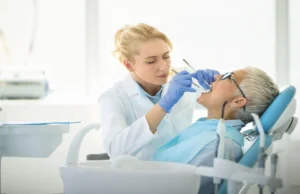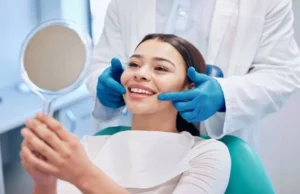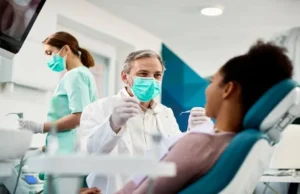

When patients seek a genuinely serene, pleasant dental experience. A team of experts possesses more resources than ever to provide it.
Due to advancements in monitoring, digital diagnostics, anesthesia administration, and patient interaction. Sedation dentistry has become safer and more comfortable than in the past.
Sedation Dentistry
This involves using medications that reduce your anxiety during dental treatments. Suppose you experience anxiety or are scheduled for a lengthy procedure such as periodontal surgery. Your dentist might suggest specific medications.
Here, you’re conscious and can answer questions; however, you don’t feel pain. It is occasionally referred to as twilight sleep – ask about some options for anxious dental patients like you.
Your dentist might suggest this if you experience:
- Nervousness regarding dental procedures.
- Anxiousness about shots due to a fear of needles affecting your mouth or gum numbing.
- Highly sensitive gag reflex.
- Extremely sensitive teeth.
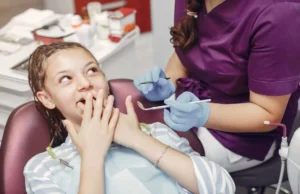
- Claustrophobia that prevents you from feeling at ease while seated in a treatment room.
- Challenges in managing your movements.
- Experience physical, behavioral, or cognitive challenges that hinder your ability to unwind.
Smarter Monitoring and Enhanced Safety
Significant advancements have arisen from enhancements in monitoring technology. Contemporary systems enable professionals to monitor oxygen, vital signs, and carbon dioxide concentrations. Also, heart rate and other essential signs in real-time throughout a procedure.
- Ongoing capnography and pulse oximetry assist in identifying even minor fluctuations in respiration or oxygen levels.
- Advanced infusion pumps as well as advanced sedation delivery systems can precisely modify dosage according to patient reactions.
- Digital records and comprehensive patient-history tools enable experts to make informed choices regarding sedation levels. Also, various risk factors, such as medications, allergies, etc.
Regardless of whether a person is receiving a minor procedure with moderate anesthesia or IV sedation. You can be assured that the safety measures are more robust than ever.
Enhanced Individualized Strategies
The era of a generic tranquilization method is behind us. Thanks to increased data and improved technology. Anesthesia can now be customized for each person.
Recent developments encompass:
- Utilizing patient history, anxiety level, body composition, and medical condition. This is to create a tailored plan for the type of anesthesia and dosage.
- The rise of digital technologies to aid in forecasting a patient’s reaction to anesthesia. Thus, contributing to a more seamless initiation and recovery process.
- Innovative types of oral and inhalation tranquilization that take effect quickly. They also wear off rapidly and enable shorter recovery periods. It is perfect for patients seeking minimal interruption.
Implementing this degree of personalization allows dentists to assist anxious individuals. Or the special needs of patients in feeling significantly more empowered.
Check out https://www.oralhealthgroup.com/clinical/dental-research/are-more-people-afraid-of-the-dentist-now-than-decades-ago-u-s-study-says-yes-1003989339/ to read further.
Minimally Invasive Instruments for Enhancement
Technology influences not just tranquilization. It also affects the execution of dental procedures, resulting in enhanced comfort throughout the entire experience.
- Laser dentistry and minimally invasive methods lessen bleeding, tissue damage, and recovery duration.
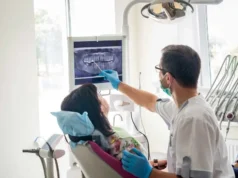
- Digital diagnostics such as intraoral cameras, 3D imaging, and CBCT facilitate accurate treatment planning. It also reduces unexpected occurrences during the process.
- When therapies are effective and consistent, anesthesia is more seamless. It has reduced downtime, less fluctuation in procedure duration, and fewer unexpected events.
This indicates that the process is not solely about being unconscious or calm. It contributes to a smooth, pleasant treatment experience.
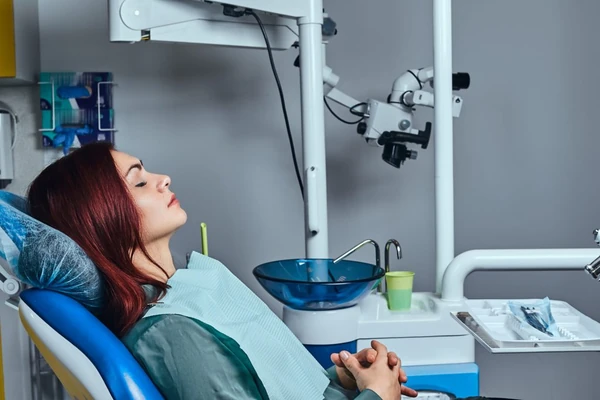
Enhanced Experience and Decreased Anxiety
Technology significantly aids in alleviating what countless patients dread the most. That is uncertainty. When patients understand what to anticipate. And when the environment is soothing, overall anxiety decreases notably.
Here are several methods this occurs:
- Consultations before the procedure that thoroughly discuss the plan, method of sedating, and recovery process.
- Relaxing, technology-enhanced treatment settings that enhance assurance. This includes sound-dampening devices, advanced monitoring tools, and ergonomic chairs.
- Faster recovery due to advanced sedatives and accurate monitoring. This allows patients to return to their normal state more quickly and with reduced drowsiness.
By emphasizing these advantages, you address what is most important. That is a patient’s safety, comfort, and reassurance.
You may read more about reducing your fear of going to a dentist.
Combining Everything
Here is how to incorporate these technology-based benefits into your communication:
- Start with Comfort: Look for services that utilize the latest monitoring technology. This is to guarantee your safety during the entire procedure.
- Clarify Personalization: Highlight how experts customize strategies based on each patient’s individual requirements. This includes medical background, anxiety levels, and type of procedure.
- Emphasize tools that enhance comfort.: They provide not only tranquilization. But, also a contemporary, soothing atmosphere, effective care, and reduced recovery time.
- Recovery Focus: Emphasize that modern sedative methods and digital tracking enable quicker recovery. Also, reduced side effects, and a more seamless journey overall.
- Prioritize Confidence: Incorporate testimonials, before/after images, and online consultation choices. This is to aid nervous individuals in feeling acknowledged and cared for.
Due to progress in monitoring, customization, digital resources, and patient-centered technology. Sedation dentistry has evolved beyond being merely about falling asleep.
It’s about establishing a relaxing, familiar, secure, and worry-free experience. For a practice, it implies that they’re providing more than just sedation.
They’re delivering an elevated journey. It’s where you can genuinely unwind, receive the necessary care, and leave feeling assured.