
Key Takeaways
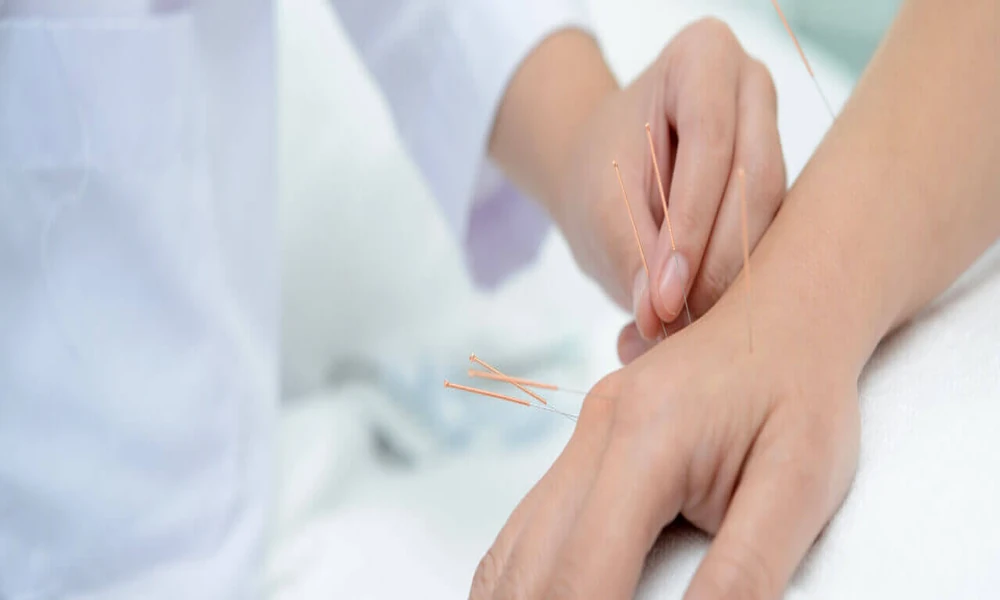
Acupuncture in New York City is increasingly popular for those seeking chronic pain relief, especially for back and neck issues. Through the precise insertion of fine needles, this method aims to encourage healing and restore bodily balance.
Many clients report experiencing immediate benefits from acupuncture. Reduced pain levels and enhanced mobility often follow treatments that are tailored to each individual’s specific responses.
Research indicates that acupuncture can effectively lower cortisol levels, thus enhancing emotional well-being by balancing the neurotransmitters that are crucial for mood regulation.
This therapeutic technique serves as a natural alternative to conventional pain relief methods, offering minimal side effects compared to long-term medication use. Overall health and wellness are promoted as a result.
When it comes to migraine relief, acupuncture is also highly effective, as it reduces both the frequency and intensity of attacks by focusing on specific pressure points related to cranial blood flow and muscle tension.
Athletes, too, are increasingly incorporating acupuncture into their routines, reaping the benefits of quicker injury recovery, improved blood circulation, and enhanced performance through effective pain relief.
Combining acupuncture with lifestyle practices such as nutrition, meditation, and physical activities can foster greater resilience against stress, creating a holistic approach to wellness.
The Healing Power of Acupuncture for Pain Management
How Acupuncture Targets Chronic Back and Neck Pain
Many clients turn to acupuncture in New York City to find a solution for ongoing pain, particularly in the back and neck. This time-honored practice involves inserting fine needles into targeted areas on the body, aiming to restore balance and promote healing. In cases of herniated discs or muscle stiffness, acupuncture offers a non-invasive way to alleviate discomfort.
Addressing pain is just one aspect; acupuncture also delves into the underlying causes. Many practitioners note that certain techniques stimulate the body’s release of endorphins, which act as natural pain-relievers. This dual-action approach-relief combined with addressing root causes-creates a significant impact.
Clients consistently report profound changes right after treatment, noting decreases in pain levels and improvements in mobility. The frequency of treatments can be adjusted based on individual needs and responses.
And What Clients Experience During Treatment
Each person’s experience with acupuncture varies widely. Some feel a slight prick when the needle enters the skin; for others, it goes unnoticed. Generally, the sensation is described as warm or tingling, interpreted by many as the body responding positively to the needles.
Post-session, clients often leave with a sense of increased relaxation. This isn’t merely anecdotal. Research supports the idea that acupuncture can also reduce inflammation, leading to lasting physical benefits long after the treatment has ended.
Comparing Acupuncture to Traditional Pain Relief Methods
In a sector largely dominated by pharmaceuticals, acupuncture offers a refreshing alternative. Traditional pain relief methods often resort to masking symptoms with medications such as NSAIDs or opioids, both of which commonly lead to side effects that can detrimentally impact health over time. Acupuncture, by contrast, promotes natural healing rather than simply suppressing symptoms.
Acupuncture has the power to not only relieve pain but also to promote a healthier lifestyle.
It’s important to note that when performed by trained professionals, acupuncture carries a minimal risk of side effects. In contrast, prolonged use of pain medications can lead to dependence and various health issues. For those struggling with persistent pain, exploring acupuncture could be a valuable option.
Stress Relief and Acupuncture: A Path to Well-Being
Understanding How Acupuncture Reduces Stress Hormones
In today’s fast-paced world, stress is all too common. The small, sharp needles used in acupuncture provide more than just physical relief; they have the potential to alter emotional landscapes. According to experts, acupuncture can significantly reduce cortisol levels, the primary stress hormone. Imagine a weight being lifted from shoulders-this is often the sensation clients report experiencing post-treatment.
The science is compelling; research shows acupuncture can help balance neurotransmitters like serotonin and dopamine, which are essential for mood regulation. It isn’t simply a relaxation method; acupuncture recalibrates the mind-body connection, allowing the body to reset and improve emotional wellness overall.
Clients’ Powerful Journeys Towards Relaxation
Many clients have shared transformative stories about their acupuncture experiences. Consider someone dealing with work-related stress and anxiety who seeks acupuncture in new york city. After several sessions, they may experience a greater sense of calm and improved focus, helping them manage everyday challenges with renewed energy. Stories like these are common among clients seeking supportive care at clinics throughout New York City.
Many clients say acupuncture is a big deal for their mental health.
Beyond individual stories, the collective experiences highlight the benefits of integrating acupuncture into daily life. This therapy fosters a symbiotic relationship, enabling the body to better manage stressful situations while equipping individuals with tools for everyday challenges.
Integrating Acupuncture Into a Full-picture Stress Management Routine
For maximum advantage, integrating acupuncture into a comprehensive stress management strategy is highly recommended. Professionals suggest complementing it with practices such as yoga, meditation, and nutritious eating. This holistic approach helps clients develop a deeper understanding of their stressors.
- Consider Pilates or yoga for physical flexibility and mental clarity.
- Practice mindfulness or meditation for emotional balance.
- Prioritize a nutritious diet to support overall health.
Incorporating these practices alongside acupuncture often leads to noticeable stress reduction. It’s not limited to relieving pressure; it emphasizes resilience for the long term.
Acupuncture for Migraines: What to Expect
Research-Based Benefits of Acupuncture for Migraine Relief
For many people, migraines are a debilitating condition that necessitates effective relief strategies. Research has shown that acupuncture can significantly reduce the frequency and intensity of migraine attacks. How does acupuncture achieve this? By targeting specific pressure points tied to cranial blood flow and muscle tension, it facilitates natural headache relief.
Encouragingly, many clients have managed to lessen their reliance on medication. This reduction not only aids in symptom management but also enhances overall health. Fewer medications mean fewer side effects and complications down the line.
Client Testimonials: Real Results in Migraines Management
Listen to the voices of those who have opted for acupuncture. A common theme emerges: many have tried a multitude of treatments before finding solace through acupuncture. Clients often describe how routine sessions have dramatically decreased aura symptoms and episode frequency. Such transformations are often referred to as life-changing.
- Increased clarity and focus after treatment.
- Decreased migraine frequency over time.
- Improved overall well-being and resilience.
Such testimonials resonate with anyone hopeful for a brighter, migraine-free future. These journeys weave a compelling narrative of hope and revitalization.
Combining Treatments: Acupuncture and Other Strategies
A multi-faceted approach tends to yield the best outcomes for those dealing with migraines. While acupuncture shines, it can greatly benefit from pairing with other strategies, including nutrition, hydration, and cognitive therapy. Each aspect plays a part in identifying and managing triggers.
For example, some clients discover that dietary changes reduce inflammation, which can directly correlate with migraine frequency. Others stress the importance of proper hydration as well. By integrating acupuncture with these practices, its overall effectiveness is often amplified.
- Keep a food diary to identify potential triggers.
- Incorporate stress-reduction techniques regularly.
- Consult a nutritionist for dietary guidance.
By adopting a full-picture strategy, clients significantly increase their chances of minimizing migraines. In this framework, acupuncture can serve as a key foundation.
Enhancing Athletic Performance Through Acupuncture
Acupuncture’s Role in Quicker Recovery from Sports Injuries
Athletes from various fields are discovering the profound advantages of acupuncture. Training and competition often put immense strain on the body. Acupuncture can expedite recovery times from injuries by improving blood circulation and reducing inflammation. Rapid attention to injuries not only alleviates discomfort but also allows for a quicker return to peak performance.
Additionally, acupuncture encourages the release of endorphins, the body’s natural painkillers. This characteristic makes it a valuable ally for athletes striving to maintain consistent training without excessive downtime.
Athletes Share Their Experiences with Acupuncture Therapy
A multitude of athletes openly endorse acupuncture, recounting how this therapy positively impacted their lives. Whether elite professionals or casual athletes, many report feeling rejuvenated after treatments. Regular sessions contribute to enhanced flexibility and help minimize common injuries, enabling athletes to focus more on performance than pain management.
Acupuncture isn’t just a remedy; it’s a performance enhancer.
Throughout sports, the effects of acupuncture resonate. Athletes understand the dual benefits of pain relief and performance enhancement, positioning it as an essential component of their training regimens.
Preventative Benefits: Staying Ahead of Common Sports Injuries
Prevention takes precedence in athletics, and acupuncture acts as a first line of defense. Regular treatments can strengthen the body’s natural resilience. When the body remains aligned, athletes are less likely to suffer injuries that could sideline them.
- Routine sessions aid in maintaining muscle health and flexibility.
- Acupuncture can address muscle tightness before it escalates into a serious injury.
- Prioritizing early recovery can lead to fewer long-term complications.
Athletes who make acupuncture a priority often enjoy improved performance metrics. They stand at a crossroads of wellness and achievement, realizing that investing in treatment can deliver significant returns.
In conclusion, acupuncture serves as a powerful tool for those seeking pain relief, stress management, and improved performance. The variety of services offered throughout New York City enables clients to regain control of their lives. With expert insights and documented results, it’s clear that acupuncture transcends mere trend status; it embodies a healing art grounded in the quest for total wellness.
FAQ
What qualifications should one look for in an acupuncture practitioner?
When searching for an acupuncture practitioner, verifying their licensing and credentials is essential. The best professionals typically have comprehensive training, which includes a degree in acupuncture or traditional Chinese medicine, along with clinical experience. Referrals or online reviews can offer useful insights into a practitioner’s reputation.
How many acupuncture sessions are typically needed for effective results?
Results may vary based on individual circumstances, but many clients begin to see benefits within 3 to 5 sessions. Chronic issues may require ongoing treatments over a span of several weeks or even months. Tailoring the frequency to each person’s responses helps ensure optimal results and allows for adjustments based on progress.
Can acupuncture be used alongside other medical treatments?
Definitely. Acupuncture can complement traditional medical treatments effectively. This fusion allows patients to manage their symptoms more holistically. However, it’s advisable to discuss any additional therapies with healthcare providers to ensure coordinated care and avoid potential contraindications.
Are there specific conditions where acupuncture is especially recommended?
Research suggests acupuncture works particularly well for conditions such as chronic pain, migraines, stress, and anxiety. It’s also gaining traction in sports medicine to assist with recovery and enhance athletic performance. Each individual’s experience may guide further applications that suit their unique health profiles.
What are the potential side effects of acupuncture, if any?
While acupuncture is generally safe when administered by trained professionals, it can present mild side effects like slight soreness, bruising, or temporary fatigue following treatment sessions. Serious complications are rare. It’s crucial for clients to communicate any concerns or experiences with their practitioner to manage anything that may arise.
How does acupuncture enhance athletic performance specifically?
Acupuncture enhances athletic performance by improving blood circulation, reducing inflammation, and facilitating quicker recovery from injuries. Additionally, it helps maintain flexibility and addresses muscle tightness before it evolves into injury. Athletes frequently report feeling revitalized after regular treatments, which leads to better training outcomes.
What tools or techniques do practitioners use during acupuncture sessions?
Practitioners generally employ finely sterilized needles that vary in size and gauge depending on the individual’s needs. Beyond needles, other techniques may include cupping, moxibustion, and electrical stimulation. Each tool has a specific purpose, aimed at amplifying therapeutic effects based on the client’s requirements.
Is acupuncture suitable for everyone, including children and the elderly?
Indeed, acupuncture is appropriate for a broad spectrum of individuals, including children and seniors. Adjustments in techniques and needle sizes can be made to accommodate different age groups or sensitivities. Practitioners often personalize their approach to ensure comfort and efficacy across diverse populations.
Useful Resources
- American Association of Acupuncture and Oriental Medicine
- National Center for Complementary and Integrative Health
- AcuHerb: Resources on Herbal Medicine and Acupuncture
- Acupuncture Today
- WholeHealth Chicago
- Centers for Disease Control and Prevention
- Mayo Clinic: Complementary and Integrative Medicine
- American Physical Therapy Association
- National Institutes of Health – PubMed